For many NDIS participants, the journey toward independence starts with short-term or crisis accommodation. Whether you’re moving on from a hospital stay, respite care, or temporary housing, finding a long-term home that feels safe and stable can be life changing.
At For Care, we understand that the move from Short Term Accommodation (STA) to Supported Independent Living (SIL) can feel like a big step – but it’s also a positive one. With the right support and planning, you can transition smoothly into a home where you feel comfortable, connected and in control of your daily life.
Understanding the difference between STA and SIL
STA (or respite as it is now known) provides short-term support, usually for a few days or weeks at a time. It’s often used during periods of recovery, transition or crisis.
However, Support Coordinators or allied health professionals sometimes also recommend STA as part of a capacity-building journey toward SIL, especially for younger participants or those leaving the family home.
Similarly, many participants use STA as a “try-before-you-move” opportunity, a stepping stone to experience living away from home or in a supported environment before committing to a longer-term arrangement like SIL.
Providers can use this time to understand the participant’s needs, preferences, and support requirements. If evidence from an STA stay shows that a participant benefits from supported living and can manage well in a shared or individual SIL home, their plan can be updated to include SIL funding
SIL is long-term accommodation with ongoing daily support. It’s designed to help you build independence, establish routines and live in a home environment that feels truly your own.
Moving from one to the other isn’t just about changing where you live – it’s about planning for what comes next.
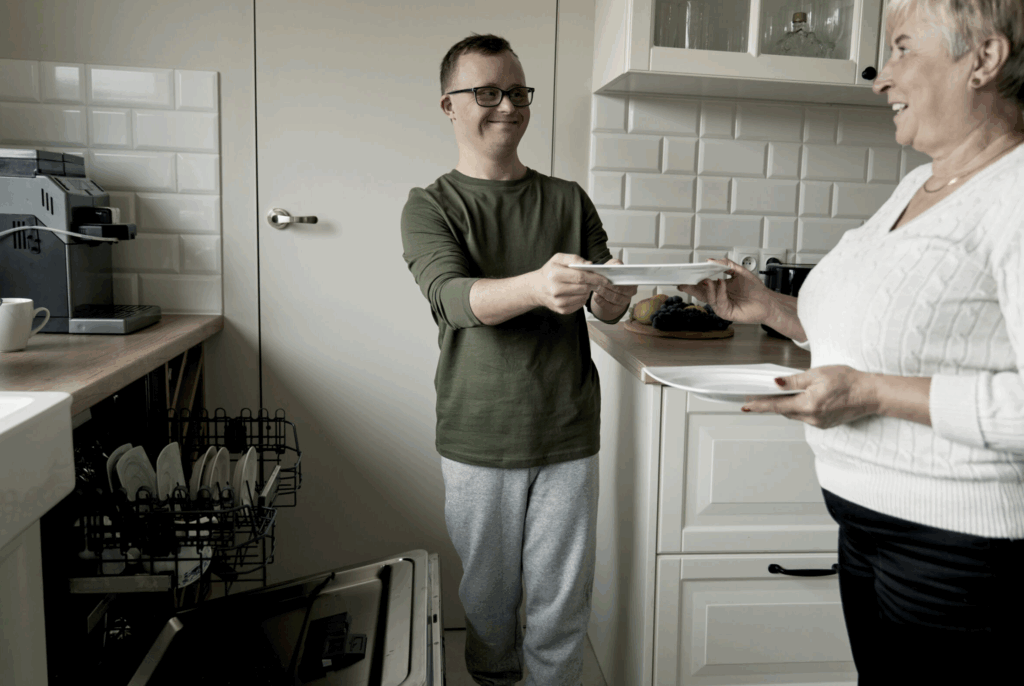
During STA, participants often work on daily living skills such as cooking, personal care, or social engagement. This helps them gain confidence and prepare for a transition to SIL, where support is more structured and ongoing.
Making the Move
Step 1: Talk to your Support Coordinator
If you’re currently in STA, your Support Coordinator or NDIS Planner is the best person to help you start the transition. They’ll discuss your goals, funding, and whether SIL is the right option for you.
They can also help you:
- Review your current plan and see what supports are already in place.
- Apply for a change of circumstances or plan reassessment (if needed).
- Begin contacting SIL providers who match your needs and preferences.
Step 2: Choose a provider who understands your needs
Every SIL home is different. When looking for the right one, think about:
- Location: Do you want to be close to family, work or your community?
- Support levels: Do you need 24/7 support or shared daily assistance?
- Housemates: What sort of housemates would you be comfortable living with?
- Environment: Does the home feel welcoming and comfortable?
At For Care, we help you find a SIL home that fits your lifestyle and goals. We take the time to get to know what’s important to you, because feeling settled starts with feeling understood.
Step 3: Visit potential SIL homes
If possible, visit a few homes before making your decision. This helps you get a sense of the atmosphere, the people, and the routines.
Our For Care homes are designed to feel calm, safe and homely, with thoughtful layouts, bright shared spaces and comfortable bedrooms that can be personalised to suit you.
View our SIL house vacancies.
Step 4: Plan your transition
Once you’ve chosen your SIL home, your support team will help plan your move. This may include:
- Setting a move-in date and arranging transport or furniture.
- Introducing you to carers and other residents.
- Planning your support schedule and daily routines.
- Making sure your NDIS funding is in place before your move.
Our team works closely with you and your coordinator to make sure everything runs smoothly, with as little stress as possible.
Step 5: Settle in and find your rhythm
The first few weeks in a new home can feel overwhelming, but they’re also full of potential. Our support team helps you settle in, learn routines, and build independence at your own pace.
We take pride in creating homes that feel welcoming and familiar, where participants can relax, feel safe, and grow in confidence over time.
Your SIL Home, Your Future
Transitioning from STA to SIL is about more than housing – it’s about finding long-term stability and support that suits your life. With the right provider, it can be a smooth and empowering process.
If you, or someone you support ,is ready to take that next step, For Care can help you plan your transition, choose the right home, and feel supported every step of the way.
Get in touch today to learn more about our SIL homes and how we can help you move from short-term accommodation to long-term independence.
Need advice or support now?
Our team is here to help families explore the best options for care.